Power prices remained highly reactive to geopolitical developments, with each new update on the Iran conflict triggering sharp price movements.
Short-term prices have been more unsettled, while longer-term contracts have held firmer, reflecting ongoing uncertainty about future supply risks.
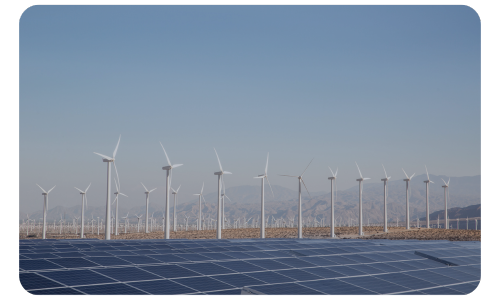
Strong renewable output and improved nuclear availability helped ease system pressure at times, although this has been outweighed by wider market sentiment.
Gas prices have been highly volatile, with markets reacting quickly to changing signals around the Iran conflict and the outlook for LNG flows.
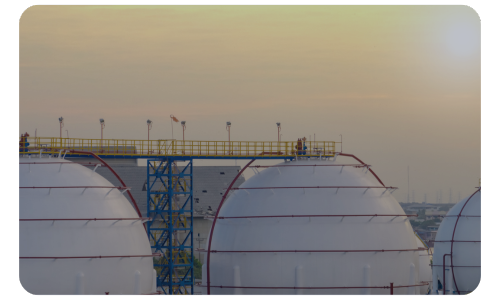
LNG supply to the UK fell during March, but lower demand meant overall supply remained relatively balanced in the short term.
European storage levels remain low for this time of year, increasing pressure to rebuild inventories ahead of next winter as global competition for LNG continues.
Market direction will continue to depend heavily on geopolitical developments and LNG availability. While underlying supply and demand conditions are relatively stable, external risks are likely to remain the main driver of price movements.
At CES, we help businesses navigate changing market conditions with risk-managed procurement strategies built for stability and long-term planning.
Contact us at [email protected] to discuss your energy strategy for 2026 and beyond.
Copyright CES © 2024