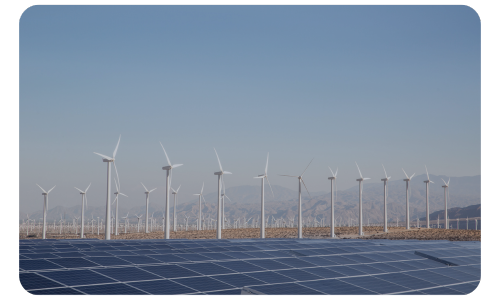
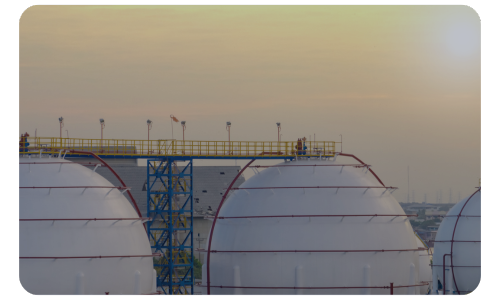
Energy markets saw mixed movements into early July, as easing geopolitical tensions weighed on longer-term prices while heatwave conditions and tighter supply supported short-term markets.
Short-term power prices increased during the late-June heatwave, as higher temperatures and reduced power imports placed greater pressure on electricity supplies.
Longer-term electricity prices edged lower as easing tensions in the Middle East reduced risk premiums across the market, though some uncertainty is still factored.
Lower wind generation increased reliance on gas-fired power, contributing to stronger demand for electricity generation.
Gas prices have fluctuated over the past two weeks, driven by new geopolitical developments and increasing supply concerns that have continued to fuel market volatility.
Gas demand rose above seasonal levels as more gas was used for power generation during periods of lower wind output.
European gas storage continued to build, but levels remain behind last year, maintaining concerns ahead of winter.
Markets will continue to watch developments in the Middle East, LNG availability and European storage levels. While easing geopolitical tensions have reduced some market pressure, weather conditions and supply fundamentals are expected to remain important drivers over the coming weeks.
At CES, we help businesses navigate changing market conditions with risk-managed procurement strategies built for stability and long-term planning.
Copyright CES © 2024